



Choose Language: EN CN BH VI

5 Essential Recovery Tips After Hernia Repair Surgery

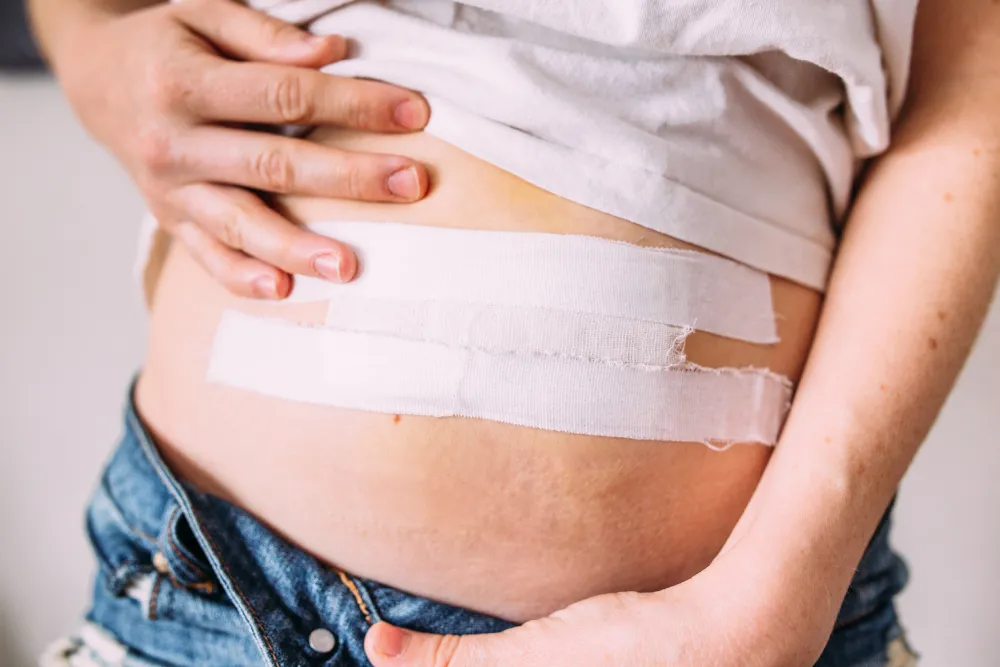
Person with a bandaged abdominal incision following hernia repair surgery during recovery
Dr Dennis Koh

Dr Dennis Koh

Medical Director & Senior Consultant Colorectal Surgeon

MBBS (Nottingham), B Med Sci (Nottingham), MMed (Surgery), FRCS (Edinburgh), FAMS

Dr Sharon Koh

Dr Sharon Koh

Senior Consultant Colorectal Surgeon

MBBS (Singapore), MMed (Surgery), FRCS (Edinburgh), FAMS

Dr Pauleon Tan

Dr Pauleon Tan

Senior Consultant Colorectal Surgeon

MBBS (Singapore), MMed (Surgery), FRCS (Edinburgh), FAMS

Recovering from hernia repair surgery is an important part of achieving a successful long-term outcome. While the operation is designed to repair the weakened area of the abdominal wall, the way you care for yourself during recovery plays an important role in healing and may help reduce the risk of recurrence. Understanding what to expect during recovery can help you avoid unnecessary setbacks and support healing.

Every patient's recovery is different, depending on the type of hernia repair surgery performed, their overall health and the nature of their daily activities. Following your surgeon's advice and giving your body time to heal are key to returning safely to work, exercise and everyday activities. Here are five practical tips to support your recovery after hernia repair surgery and help protect the results of your procedure.

Tip #1: Protect Your Repair by Gradually Returning to Physical Activity

Although most patients are encouraged to start moving soon after surgery, returning to more demanding activities too quickly can place unnecessary strain on the healing repair. Gradually returning to physical activity allows the repaired tissues time to heal while reducing unnecessary strain on the surgical site.

  • Start with gentle activities such as short walks, which help promote circulation and reduce stiffness without placing excessive strain on the repair
  • Avoid heavy lifting early on, as it puts pressure on the surgical site and may weaken the repair
  • Gradually reintroduce exercise based on your doctor’s guidance
  • Some mild soreness is common during recovery, but stop and seek medical advice if an activity causes significant pain or worsening symptoms
  • Return to high-impact sports or strenuous exercise only after your surgeon has confirmed it is safe to do so

Tip #2: Support Healing Through Proper Wound Care

Looking after your incision helps reduce the risk of infection and supports normal healing after hernia repair surgery. Monitoring the wound regularly also makes it easier to recognise early signs of complications that may require medical review.

  • Keep your incision clean and dry, following your surgeon's wound care instructions
  • Watch for signs of infection, such as increasing redness, swelling, warmth, discharge or fever
  • Do not apply creams, ointments or dressings unless advised by your surgeon
  • Contact your surgeon promptly if your wound opens, develops increasing discharge or your pain suddenly worsens

Tip #3: Reduce Pressure on Your Abdomen During Recovery

Many everyday actions, including coughing, constipation and straining during bowel movements, temporarily increase pressure inside the abdomen. During recovery, reducing this pressure helps protect the healing repair.

  • Prevent constipation by staying hydrated, eating fibre-rich foods and using stool softeners if recommended
  • Support your abdomen with a pillow when coughing or sneezing if advised by your surgeon
  • Avoid smoking, as it can delay wound healing and persistent coughing may place additional strain on the repair
  • Speak with your surgeon if you experience persistent constipation or a chronic cough during recovery
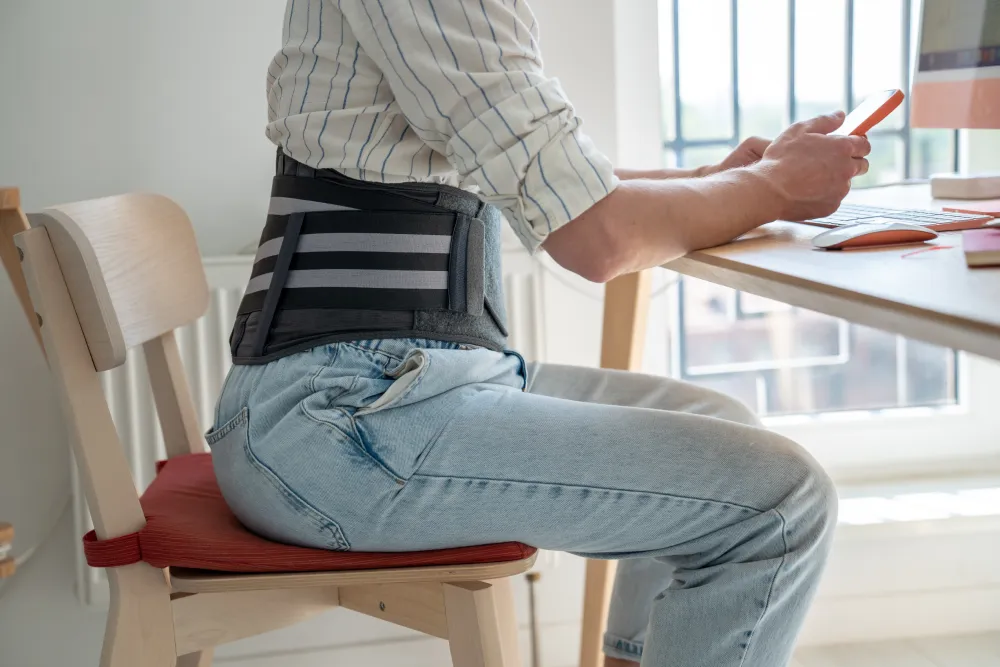
Person wearing an abdominal support binder during recovery after hernia repair surgery

Tip #4: Follow Your Surgeon's Recovery Instructions

Recovery timelines vary depending on the type of hernia repair performed, your overall health and the demands of your daily activities. Following your surgeon's advice helps ensure that each stage of your recovery progresses safely.

  • Take prescribed medications as directed
  • Attend all scheduled follow-up appointments
  • Avoid comparing your recovery with others, as healing timelines vary between patients
  • Discuss any concerns or unexpected symptoms with your surgeon before making changes to your recovery plan

Tip #5: Know the Signs That May Indicate a Hernia Recurrence

Although most patients recover well after hernia repair surgery, it is important to recognise symptoms that may indicate a recurrence or a postoperative complication. Early assessment allows any underlying problem to be identified and treated promptly.

  • Watch for a new lump or bulge near the surgical site, particularly when standing or straining
  • Do not ignore persistent pain, increasing swelling or discomfort that continues to worsen rather than gradually improve
  • Seek medical assessment if you develop fever, severe redness, drainage from the wound or persistent nausea and vomiting
  • Contact your surgeon promptly if symptoms return or interfere with your daily activities

Recover Confidently After Hernia Repair Surgery

Most patients recover well after hernia repair surgery when they give the repaired tissues time to heal and follow their surgeon's recovery plan. If your symptoms change unexpectedly or you have concerns about your progress, seek medical advice rather than waiting for your next scheduled appointment.

At Colorectal Practice, we provide personalised care before, during and after hernia repair surgery to support patients at every stage of recovery. If you have concerns about your healing or would like advice before returning to work or exercise, arrange a consultation with our team.

Frequently Asked Questions (FAQs) About Post Hernia Repair Surgery

  • Will I need to wear an abdominal binder after hernia repair surgery?

    Some patients may be advised to wear an abdominal binder for additional comfort and support during the early stages of recovery, while others may not require one. Whether it is recommended depends on the type of hernia repair performed and your surgeon's preference. You should only use one if instructed to do so.
  • Is it normal to feel a hard lump near the surgical site after hernia repair?

    A firm area or small lump around the incision can be a normal part of the healing process and may be caused by swelling, scar tissue or fluid collecting beneath the skin. However, if the lump continues to enlarge, becomes increasingly painful or is accompanied by redness or fever, you should arrange a review with your surgeon.
  • Can I climb stairs after hernia repair surgery?

    Yes, most patients can climb stairs carefully soon after surgery, provided they do so slowly and avoid carrying heavy items. Use handrails for support and stop if you experience significant pain or dizziness. Your surgeon can advise when it is safe to resume normal stair use based on your recovery.
  • Can I bend over after hernia repair surgery?

    Most patients can bend carefully after surgery, but repeated bending or sudden movements should be avoided during the early stages of recovery. If you need to pick something up, bend your knees rather than your waist whenever possible. Follow your surgeon's recommendations before resuming more strenuous movements.

Meet Our Hernia Surgeons in Singapore

Contact Us
Orchard
Novena
Gleneagles
Mount
Alvernia

Colorectal Practice (Orchard)

3 Mount Elizabeth, #12-14
Mount Elizabeth Medical Centre
Singapore 228510

Colorectal Practice (Novena)

38 Irrawaddy Road, #10-28/29
Mount Elizabeth Novena Specialist Centre
Singapore 329563

Colorectal Practice (Gleneagles)

6 Napier Road #02-12
Gleneagles Medical Centre
Singapore 258499

Colorectal Practice (Mount Alvernia)

820 Thomson Rd,
Mount Alvernia Medical Centre A, #03-08
Singapore 574623

Start A Conversation
Our team typically answers quickly.
Have any gastro or colorectal issue?

Click to WhatsApp!

+65 9239 2198

Top